
Agri knowledge
Why Soil pH Matters
2023-07-04 · 2 min
Why Soil pH Matters
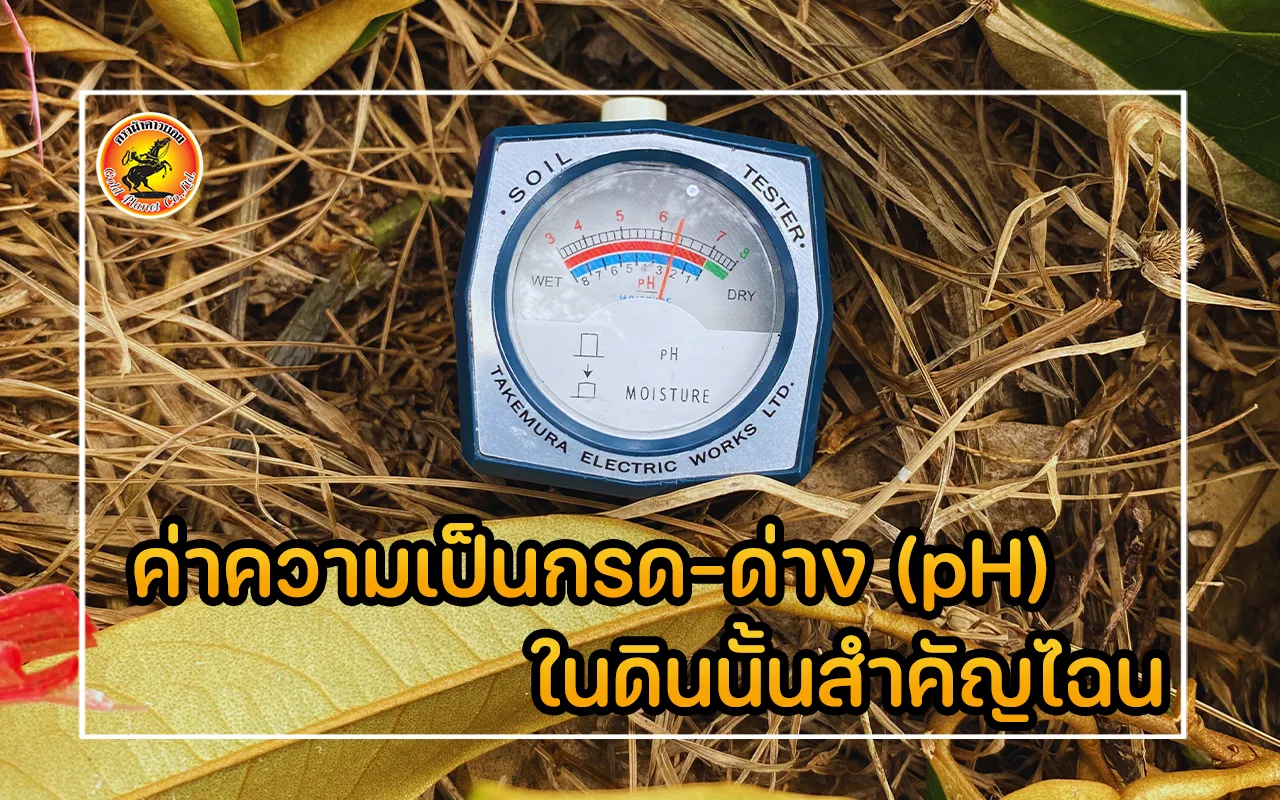
If we compare plants to the human body, there are some interesting parallels we can draw. Take food, for example: just as humans need the 5 basic food groups and require primary, secondary, and micronutrients, the same holds true for plants. In the human body, starch (carbohydrates) is broken down in the mouth using the enzyme amylase under alkaline conditions, while protein (amino acids) is broken down in the stomach, converting polypeptides into amino acids under acidic conditions. Similarly, plants have 12 essential nutrients, and each is absorbed differently depending on the soil's pH (its acid-base value). The optimal soil pH range is 5-7, and within this range, plants are able to absorb the nutrients they need most effectively. Conversely, if the soil's pH drops below 4.5, plants cannot fully absorb nutrients, and this condition also promotes the proliferation of plant-pathogenic fungi. This illustrates that the root system is, in effect, the primary "mouth" through which a plant feeds.